If hip replacement surgery is on your mind, you’re probably living with pain that affects everyday things most people take for granted—getting out of a chair, climbing stairs, or even sleeping through the night. You want clear, honest information so you can decide if surgery is the right next step, not a pile of confusing medical jargon.
This guide walks you through everything you need to know about hip replacement surgery in plain language: who it helps, how the operation works, what recovery really looks like, and how to compare options so you feel confident about your decision.
What Is Hip Replacement Surgery and Who Needs It?
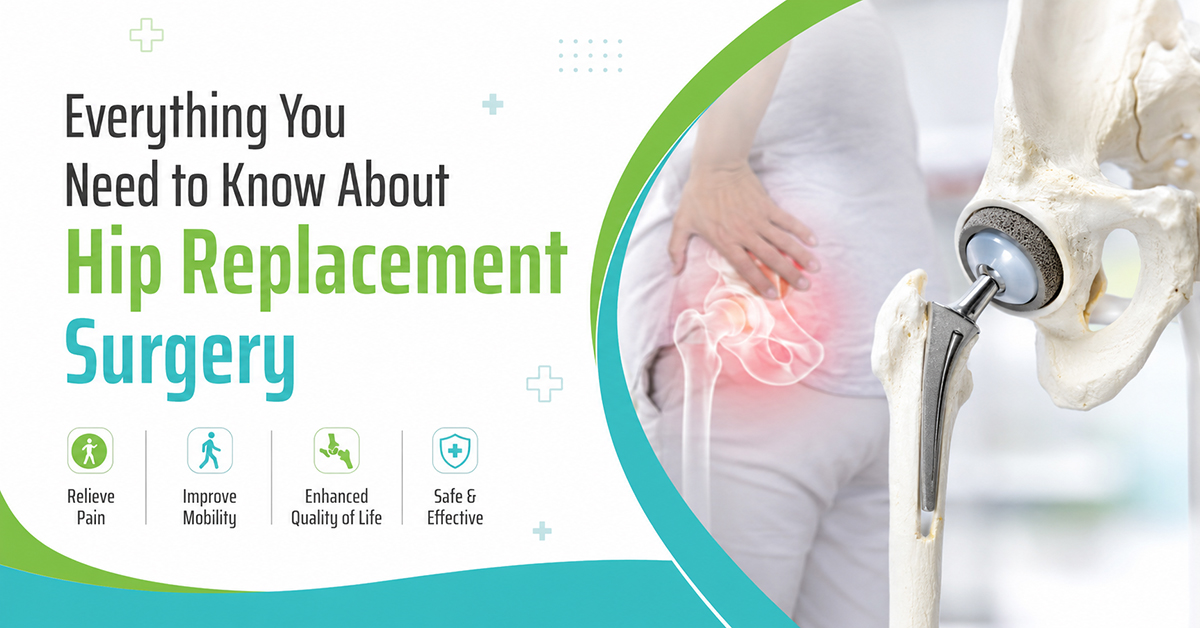
Hip replacement surgery is a procedure where the damaged parts of your hip joint are removed and replaced with smooth artificial components made of metal, ceramic, and high-grade plastic. The goal is simple: reduce pain, restore movement, and let you get back to normal activities with a more stable and comfortable joint.
Most people who qualify for hip replacement have tried other treatments first—medications, injections, physical therapy, walking aids—and still struggle with significant pain and stiffness that limit daily life.
Common Conditions That Lead to Surgery
The most frequent reason people need surgery is advanced hip arthritis, where the smooth cartilage has worn away and bone is grinding on bone, making hip arthritis treatment less effective over time.
Other conditions include hip fractures, some childhood hip disorders that worsen in adulthood, and certain inflammatory joint diseases that damage the joint surfaces.
When Conservative Care Is No Longer Enough
There’s no fixed age or rule that says when it’s time for a total hip replacement, but surgeons look closely at how much pain you have, how limited your movement is, and whether non-surgical care still gives relief.
It may be time to talk more seriously about surgery if you’re waking at night from pain, avoiding social activities, or needing strong painkillers just to get through basic tasks.
How the Hip Replacement Procedure Works
Understanding what actually happens during surgery often makes the idea far less frightening. The operation follows a clear sequence, and a skilled orthopedic team performs these procedures routinely.
Before surgery begins, you’ll meet the anesthesiology team to decide on the safest type of anesthesia for you, and your surgical staff will review the plan step by step.
What Your Surgeon Does in the Operating Room
During a standard total hip replacement, the surgeon removes the damaged ball at the top of the thighbone, prepares the socket in the pelvis, and places carefully sized implants that fit your bone shape.
The artificial components are secured in place, either using special bone cement or a press-fit design that allows your bone to grow into the implant over time, creating long-term stability.
Types of Approaches and Implants
Your orthopedic surgeon will choose a surgical approach—such as posterior, lateral, or direct anterior—based on your anatomy, body type, and any previous hip surgery you may have had.
They’ll also select implant materials and sizes tailored to your age, bone quality, and activity level so the new joint can handle your daily demands.
Preparing for Hip Replacement: Tests, Planning, and Costs
A successful surgery starts well before you reach the operating room. Good preparation reduces complications, shortens your hospital stay, and sets you up for smoother healing.
Your care team will usually arrange blood tests, heart checks, and imaging of the hip to confirm that joint replacement is the right option and safe for your overall health.
Medical and Lifestyle Preparation
You may be asked to stop certain blood-thinning medicines, manage blood sugar more tightly if you have diabetes, and follow a simple exercise program to strengthen the muscles around the hip.
Some people also meet with a hip specialist before surgery to ask detailed questions about risks, implant options, and realistic expectations for walking, driving, and work.
Understanding Hip Replacement Costs and Insurance
It’s normal to worry about hip replacement cost, and prices can vary widely depending on the city, hospital type, length of stay, and any extra medical needs such as intensive care or special implants.
Before you commit to a surgery date, it’s wise to confirm what your insurance will cover, what your out-of-pocket portion looks like, and whether there are package options that bundle tests, surgery, and follow-up visits.
Hip Replacement Recovery: What to Expect After Surgery
The first days and weeks after surgery are a big focus for most patients, and clear expectations make this period much less stressful. You won’t be left to figure things out on your own—your care team will guide each step.
Most people stand and take a few steps with a walker on the same day or the day after the operation, starting their hip replacement recovery under close supervision.
Early Hospital and Home Recovery
While you’re in the hip replacement hospital, nurses and therapists will teach you how to get out of bed safely, use walking aids, and protect the new joint while the soft tissues heal.
Once you go home, a structured plan of pain control, wound care, and simple daily exercises helps you regain strength, balance, and confidence with the new hip.
Activity Timeline and Returning to Normal Life
Most patients can move from a walker to a cane within a few weeks, and many return to light desk work around four to six weeks after hip pain treatment with surgery.
By three months, many people are walking longer distances, riding a stationary bike, and doing low-impact activities more comfortably than they did before the operation.
Risks, Benefits, and How to Choose the Right Surgeon
Every operation carries risks, and it’s important to understand them clearly rather than brushing them aside. Good surgeons talk openly about these possibilities and explain how they work to keep them low.
When the procedure is planned carefully, most people find that the pain relief, mobility gains, and improved quality of life outweigh the potential downsides.
Potential Complications and How They’re Managed
Possible problems include infection, blood clots, leg length differences, dislocation of the new joint, and wear of the components over many years after hip surgery.
Your team minimizes these risks with preventive antibiotics, blood-thinning medications, careful implant positioning, and follow-up visits to monitor how the joint is performing.
Finding a Surgeon and Hospital You Trust
Choosing an experienced orthopedic surgeon is one of the most important decisions you’ll make, and it’s reasonable to ask how many hip procedures they perform each year.
Reputation, clear communication, and the quality of the hospital environment matter too, so many patients also pay attention to how well the hip replacement hospital coordinates pre-op education and post-op rehab.
Living With a New Hip: Long-Term Results and Lifestyle Tips
Most modern implants are designed to last many years, especially when patients follow good habits to protect the new joint and keep surrounding muscles strong.
Your surgeon may recommend specific low-impact sports, weight management, and regular checkups to help your hip replacement surgery last as long as possible.
Activities You Can Usually Return To
Many people are able to enjoy walking, swimming, cycling, and golf again after joint replacement once healing is complete and their surgeon has cleared them for these activities.
High-impact sports or heavy manual labor may still be limited to protect the artificial surfaces, but most day-to-day tasks feel easier and more secure.
Warning Signs You Shouldn’t Ignore
It’s important to call your hip specialist if you notice sudden new pain, warmth, redness, or loss of function in the operated leg months or years after the operation.
These changes don’t always mean something serious is wrong, but they can occasionally signal infection, loosening, or other problems that are easier to treat when caught early after hip surgery.
The Bottom Line: Moving Forward With Confidence
Living with constant hip pain is exhausting, and a well-planned hip replacement surgery can offer lasting relief, better mobility, and a return to everyday activities that once felt out of reach.
If you’re ready to explore your options, booking a consultation with an experienced specialist at Shyam Hospitals is a smart next step so you can review your scans, talk through risks and benefits, and decide together whether now is the right time for surgery.