A sudden, sharp pain in your side that takes your breath away can make you think something is seriously wrong. Many people only discover they have stones after that first attack, then rush to search for kidney stone treatment and clear answers on what to do next.
If you or someone close to you has been told they have stones, it helps to understand what they are, why they form, and how doctors decide which treatment fits each case. With the right information, you can make calm, confident decisions instead of reacting in a panic.
What are kidney stones and why do they form?
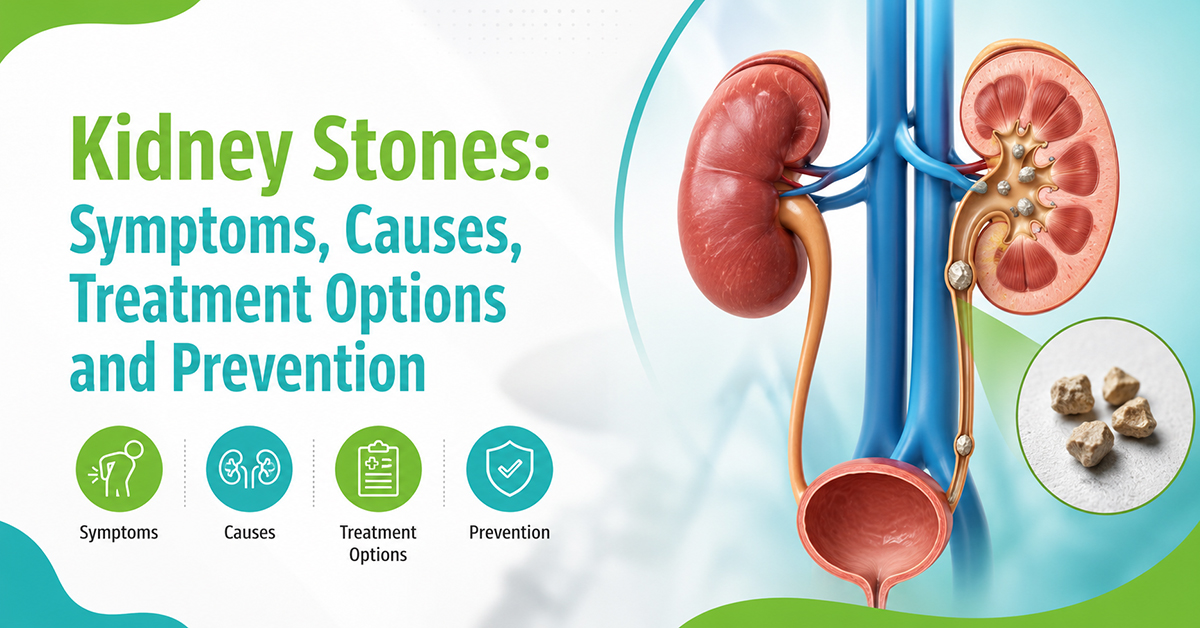
Kidney stones are hard, crystal-like deposits that form in the kidneys from minerals and salts in your urine. They can be as tiny as a grain of sand or as large as a marble, and even a small one can cause intense pain if it starts to move.
Most stones are made from calcium combined with oxalate or phosphate, but some come from uric acid, infection, or rare metabolic problems. Dehydration, high salt intake, genetics, and certain medical conditions can all raise your risk over time.
Recognizing kidney stone symptoms early
One of the first signs that sends people to the emergency room is sudden, severe pain in the back or side, often below the ribs. This classic pain can move toward the lower abdomen or groin as the stone travels.
Other common kidney stone symptoms include burning or discomfort when passing urine, seeing blood in the urine, or feeling an urgent need to go even when very little comes out.
When symptoms mean you need urgent help
Some warning signs should never be ignored, especially if you have a history of urinary problems or stones in the past. Severe pain that doesn't ease, even after taking pain tablets, is one of them.
Fever, chills, or nausea with vomiting can signal infection above a blockage, and this combination needs quick urology treatment to protect your kidneys and overall health.
How doctors diagnose and plan kidney stone treatment
Once you see a doctor, the first step is confirming that a stone is present, then understanding its size and location. This is usually done with a combination of blood tests, urine tests, and imaging such as an ultrasound or CT scan.
These results guide the next steps, because kidney stone treatment isn't the same for everyone; a tiny stone near the bladder is handled very differently from a large one sitting high in the kidney.
When simple measures are enough
Small stones that are not blocking the kidney and not causing infection can often pass on their own with time. In these cases, doctors may focus on pain control, drinking more fluids, and medication to relax the urinary tract.
This conservative approach is a form of urinary stone treatment that still requires monitoring, because a stone that fails to move or starts to cause blockage might later need a more active procedure.
When you need a kidney stone specialist
If imaging shows a larger stone, repeated attacks of pain, or early damage to the kidney, you may be referred to a kidney stone specialist for further evaluation. These doctors handle complex cases and difficult stone types.
They look closely at your medical history, lab results, and past treatments before suggesting surgery or other interventions, so that every major step is clearly explained and tailored to your situation.
Kidney stone removal procedures explained
Modern kidney stone removal techniques are far gentler than the open surgeries many people remember from decades ago. Most procedures today involve small instruments, short hospital stays, and quicker recovery.
The choice of procedure depends mainly on stone size, location, composition, and your overall health, so it's normal for two patients with the same pain story to get very different recommendations.
Laser kidney stone surgery and other minimally invasive options
One of the most commonly used modern techniques is laser kidney stone surgery, where a thin scope is passed through the natural urinary passage to reach the stone, which is then broken into tiny pieces.
Some stones can be treated from outside the body using focused shock waves, and others may require a small keyhole in the back to allow instruments to reach a large stone deep inside the kidney.
When traditional kidney stone surgery is still needed
Open kidney stone surgery is now rare, but it can still be necessary in complex cases, such as very large stones that fill most of the kidney or when there are anatomical abnormalities.
This approach usually involves a longer hospital stay and recovery, so surgeons reserve it for situations where other methods are unlikely to succeed or have already failed.
Choosing the right urologist and hospital
A skilled urologist doesn't just operate; they help you understand all your options, including when it's safe to wait and watch and when it's smarter to act quickly. Their experience with different procedures can directly affect your comfort and outcomes.
It's reasonable to ask how many similar cases your doctor handles each month, what complication rates look like, and how they support patients with long-term follow-up after treatment.
What to look for in a kidney stone hospital
A well-equipped kidney stone hospital offers a full range of treatment options, from conservative care to highly specialized procedures, under one roof.
Access to 24/7 emergency care, advanced imaging, and a well-trained nursing team can make a big difference, especially if pain strikes at odd hours or if you develop a sudden complication.
Living after stones: kidney stone prevention that works
Once you've gone through treatment, the next big goal is avoiding another attack, because the risk of a repeat episode can be high if nothing changes. Practical kidney stone prevention starts with something simple: staying well hydrated.
Drinking enough water so that your urine stays pale yellow through the day helps dilute stone-forming substances, and your doctor may also suggest diet changes based on the type of stone you had.
Daily habits that protect your kidneys
Regular follow-up with your care team keeps you on track, especially if you have other conditions like diabetes or gout that affect stone risk. Periodic urine and blood tests can show whether your current plan is working.
Lowering excess salt, moderating animal protein, and keeping active weight control are everyday steps that quietly support your kidneys without demanding drastic lifestyle changes.
Moving forward with confidence: key takeaways
Kidney stone treatment doesn't have to feel mysterious or frightening once you understand your options and stay involved in each decision. Quick attention to symptoms, timely scans, and choosing a team you trust all reduce the chance of complications.
If you're comparing clinics or planning next steps after a recent diagnosis, take your reports, write down your questions, and sit with a specialist who will walk you through medical and surgical choices at your own pace; if you need that kind of support, the team at Shyam Hospitals can guide you through every stage of your kidney stone treatment journey.