
Facing an operation can be stressful enough without having to decode medical terms at the same time. If your doctor has mentioned laparoscopic surgery as an option instead of a traditional open operation, you probably want to know what that really means for pain, scars, safety, and how quickly you can get back to normal life.
This guide breaks down laparoscopic surgery in plain language and compares it honestly with open surgery. You'll see where it clearly helps, where it may not be right for you, and the kind of questions you should ask before deciding.
What is laparoscopic surgery and how is it different?
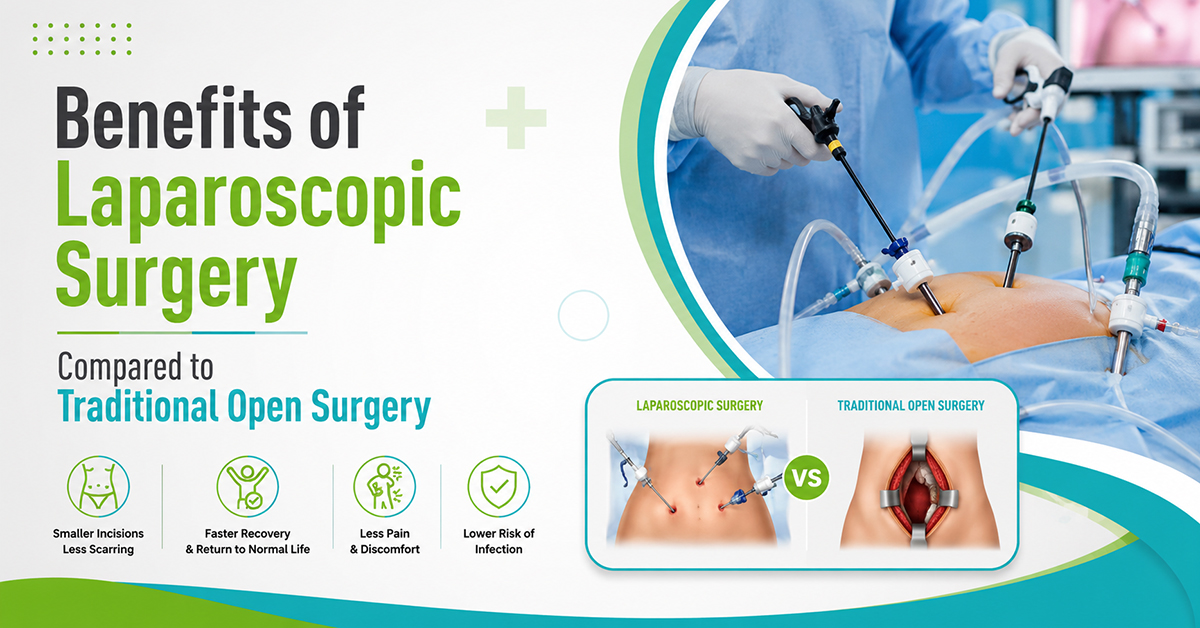
Laparoscopic surgery uses a camera and special instruments passed through a few small cuts in the abdomen instead of one large incision. The surgeon watches a magnified image on a screen and does the operation through those tiny entry points.
This style of minimally invasive surgery aims to reduce trauma to the body's tissues while allowing the same surgical steps to be performed inside.
Key differences from traditional open surgery
In a classic open operation, the surgeon creates a larger incision to see and reach the organs directly with their hands and standard instruments. The longer cut means more tissue is moved or stretched, and the wound takes more time to heal.
By contrast, this kind of keyhole surgery uses ports that are usually between 5 mm and 12 mm, so the cuts are much smaller than an open incision that may be several centimetres long.
Common procedures done laparoscopically
Many operations that used to require a long cut can now be offered as a laparoscopic procedure, depending on your condition and overall health.
Typical examples include gallbladder removal, appendix removal, hernia repair, treatment for endometriosis, some colorectal operations, and parts of general surgery for the upper abdomen.
Benefits for pain, scarring, and daily comfort
One of the first things patients ask is how much it will hurt. Because the cuts are smaller, most people report less pain after laparoscopic surgery than after an open operation on the same area.
Smaller wounds also mean the need for strong pain medicines is often shorter, which reduces side effects like drowsiness, nausea, and constipation.
Scars and cosmetic results
For many people, how they'll look afterward matters as much as how they'll feel. With this form of advanced laparoscopy, scars are usually tiny, often hidden in the natural folds of the skin or around the navel.
Patients who are active, younger, or simply concerned about body image often feel more comfortable choosing a method that leaves only a few small marks instead of a single long line.
Impact on breathing and movement
Large incisions on the abdomen or chest can make it hard to take deep breaths or cough properly for several days. A targeted laparoscopic treatment usually disturbs the muscles less, so breathing exercises, turning in bed, and gentle walking become easier sooner.
That early movement isn't just about comfort; it can also lower the risk of chest infections and blood clots in the legs.
Recovery time and returning to normal life
Most patients are keen to know how long they'll be off work, away from family duties, or unable to exercise. Smaller wounds and less tissue damage usually translate into faster surgery recovery for many laparoscopic patients.
For example, people who have their gallbladder removed through tiny cuts often go home the same day or the next day, compared with several days in hospital for a traditional open cut in the past.
Hospital stay and time off work
Because the body doesn't have to heal a long incision, a laparoscopic operation is frequently linked with shorter hospital stays and earlier discharge.
In practical terms, many patients return to desk work within one to two weeks after a suitable minimally invasive treatment, while the same operation by open method might need a longer break.
Activity, exercise, and long-term results
Gentle walking is usually encouraged within hours of surgery, which supports circulation and helps bowel function return. A careful laparoscopic surgeon will still give you a clear timeline for lifting limits, sports, and driving, tailored to your specific operation.
In the long run, when the operation is done for the right reason and by an experienced team, success rates for keyhole techniques are generally similar to those for open methods.
Risks, limits, and when open surgery is still better
No operation is completely risk-free, and it's important not to see laparoscopic surgery as a magic fix for every problem. The main risks are similar to open operations, including bleeding, infection, and reactions to anaesthesia.
There are also specific concerns, such as injury from the instruments or complications related to the gas used to gently inflate the abdomen so the surgeon can see clearly.
Situations where laparoscopy may not be suitable
Some patients are not good candidates for a full laparoscopic procedure because of severe scarring from past operations, uncontrolled heart or lung disease, or very large tumours.
In complex emergencies or when cancer has spread widely, a planned general surgery through an open incision can still be the safest option.
Conversion from keyhole to open
Even when surgery starts through small cuts, the team may decide during the operation that it's safer to switch to a more traditional approach. This change is called conversion and it does not mean the surgery has failed.
Your doctor should explain before the laparoscopic operation that they will always choose the method that best protects your health, even if that means making a larger cut.
How to decide: questions to ask your surgeon
Choosing between laparoscopic surgery and open surgery isn't something you should feel pressured into doing alone. A thoughtful discussion with your specialist can help match the technique to your medical condition and personal priorities.
Instead of focusing only on the size of the cuts, it helps to ask about long-term control of your disease, possible complications, and what recovery will realistically look like in your case.
Discussing experience and outcomes
During your visit, it's reasonable to ask how often your doctor performs minimally invasive surgery for your specific condition and what their typical outcomes are.
You might also ask if they offer both open and keyhole options so the recommendation is based on your needs rather than limited tools.
-
What are the pros and cons of each method for my exact diagnosis?
-
How many similar cases do you handle each month?
-
What signs after discharge mean I should call the hospital straight away?
-
How long should I plan to take off work and regular activities?
Hearing clear answers to these questions often makes the choice between a minimally invasive treatment and an open technique feel less overwhelming.
Making your surgical choice with confidence
The main advantages of laparoscopic surgery usually relate to smaller cuts, less pain, quicker return to normal activity, and smaller scars, while still aiming to fix the underlying problem as effectively as open methods.
If an operation is on the horizon, take time to discuss your options, ask about the surgeon's experience, and be honest about your concerns so the team at Shyam Hospitals can guide you toward the safest and most suitable plan for you.